

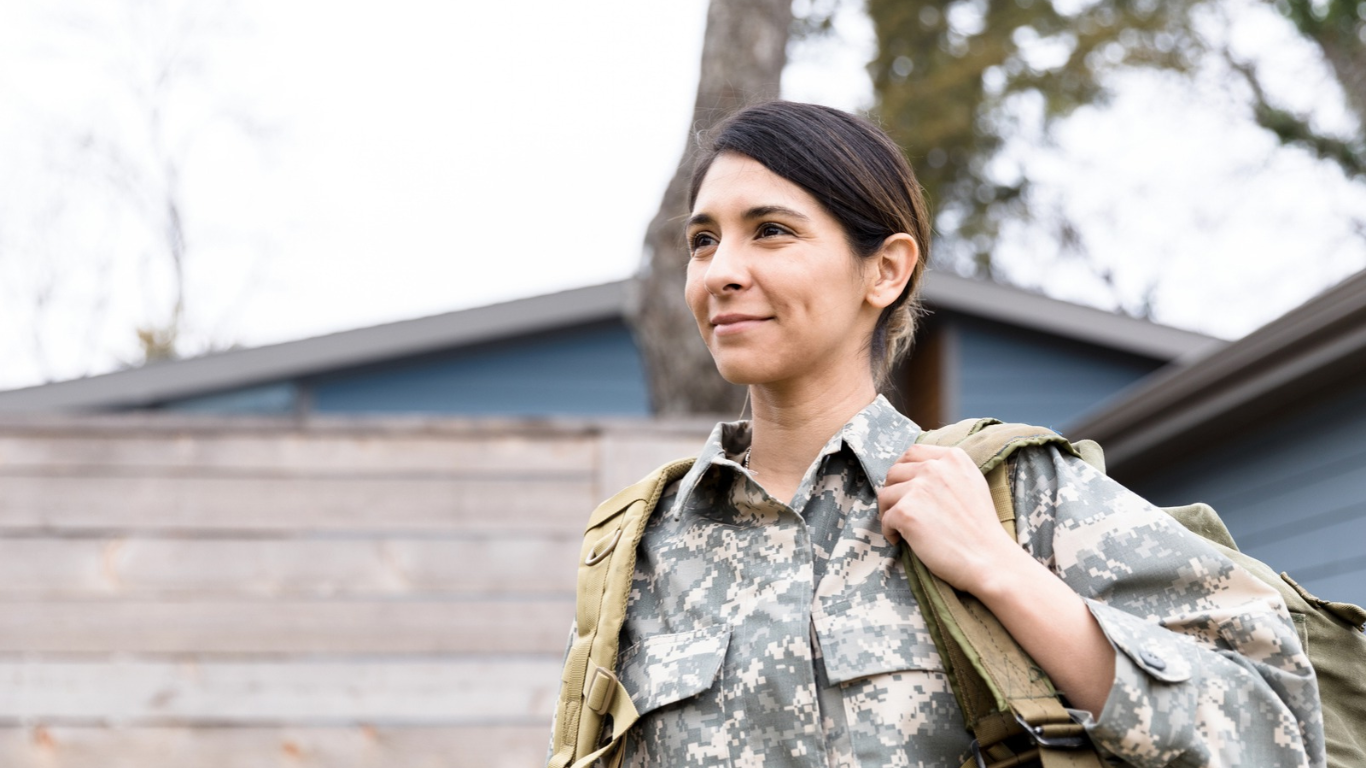
Both of my parents served in the United States Army. My father spent over 30 years in uniform, and my mother was among the early generations of women to earn her parachutist wings. I followed their example, graduating from West Point and eventually serving in Afghanistan.
Military service has therefore shaped much of my life, from the home in which I was raised to the decisions I made as a young woman. It also shaped my understanding of America and the responsibilities that come with the extraordinary privilege of being an American.
When we swear our military oath, we commit ourselves to supporting and defending the Constitution. We make that promise alongside people whose backgrounds, beliefs, and politics may be entirely different from our own. Yet we accept a common obligation. We believe our country, despite its imperfections, is worthy of our service and sacrifice.
I wonder how many Americans still share that conviction.
Last week’s midterm elections revealed an electorate deeply frustrated with the direction of the country. Americans have legitimate grievances, and elections provide an essential means of demanding accountability. But I suspect much of what we witnessed was driven by anger, an emotion that has become increasingly central to our political identity.
Anger can motivate action, but anger alone does not build. Anger cannot heal a nation, restore trust in its institutions, or give its citizens a reason to believe in one another. And that is precisely what worries me.
We have become so consumed by what divides us that even the values once considered foundational to American life are now contested territory. Unabashed patriotism is treated as a partisan declaration, demanding personal responsibility is too often framed as lacking compassion, and the very meaning of liberty itself is increasingly dependent on who is invoking it.
President John F. Kennedy famously challenged Americans to ask what they could do for their country. Increasingly, we seem preoccupied with what our country should do for us. We demand more, expect more, and feel affronted when asked to bear the burdens that accompany the extraordinary privileges of American citizenship.
The government has legitimate obligations to its citizens, but citizenship was never intended to be a one-sided transaction. A republic depends upon people willing to contribute to its preservation, even when doing so requires sacrifice, compromise, or personal inconvenience. When entitlement displaces responsibility, we risk becoming a nation of competing demands rather than a people united by common purpose. And no government, regardless of which party controls it, can manufacture the civic character necessary to sustain a free society.
This Veterans Day, I find myself thinking about Rosie the Riveter and what she represented to a generation of Americans confronting an uncertain future. I first met real-life Rosies at the 75th anniversary of D-Day in Normandy, France. Decades later, these women still glowed with pride and spoke of their essential contributions to the war effort. They spoke of hard times tempered by shared values, and a belief that those hard times were worth enduring.
Rosie represented a distinctly American optimism. She demonstrated that our circumstances can improve through hard work, ingenuity, personal responsibility, and cooperation. She showed us that our differences need not prevent us from pursuing common goals. She reminded us that freedom is an extraordinary opportunity to contribute, rather than simply a collection of benefits to demand.
We need that spirit again.
The world is growing increasingly unstable, and our adversaries understand the advantage of an America divided against itself. They exploit our grievances, deepen our distrust, and encourage us to surrender the individual responsibility that has long defined the American character.
This election showed there is increasingly a seductive comfort in surrendering responsibility, in believing that the government can relieve us of the burdens of freedom while preserving all its benefits. But America’s extraordinary strength has always rested on Rosie’s conviction: that free individuals, exercising their own judgment and talents, can unite voluntarily around a common purpose.
As a mother of two daughters, I want them to believe in what America makes possible and in their own ability to shape its future. I want them to dream boldly, live freely, but also understand that freedom brings responsibilities extending beyond personal ambition. Political parties will win and lose elections. Policies and administrations will change. But we must never lose our shared belief in the principles that make this country exceptional.