

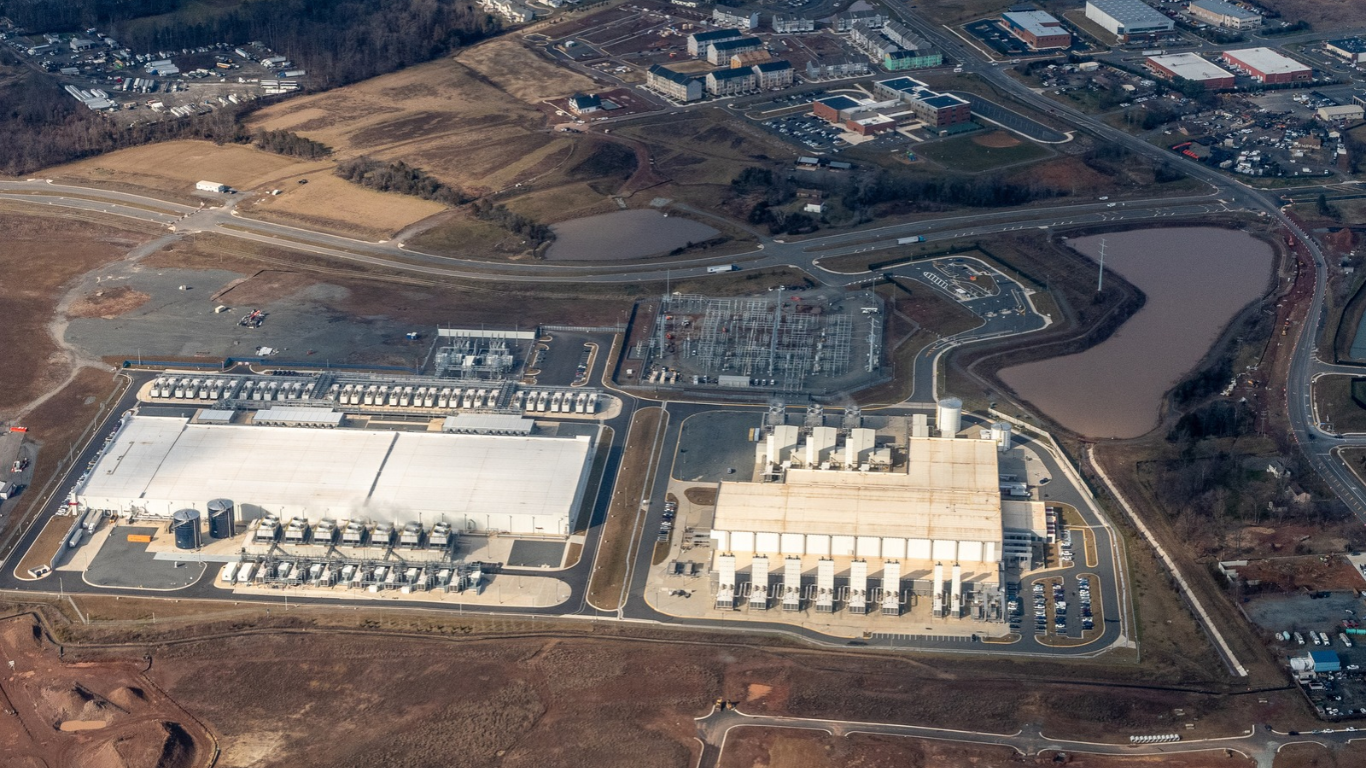
This Election Day, data centers were on the ballot across the nation. In ten different states, 41 local ballot measures asked citizens whether they supported data center construction. Towns in Ohio, Illinois, Maine, Kansas, Wisconsin, and five other states considered the issue.
Overwhelmingly, Americans voted against data centers. Out of the 41 measures, 40 towns chose to restrict their development in some way.
The initiative from Urbana, Ohio, is an example of what many communities saw on their ballots: It proposed to amend the city charter so that “the construction of a data center is hereby prohibited” within the city limits. The amendment passed with 77% voting to ban the facilities from the city. Seven other towns also voted for total bans.
In Ohio, 21 towns considered data center ballot measures on Election Day, the greatest number in any state. Each of these towns voted for greater restrictions—ranging from complete prohibitions, as in Urbana, to tightened rules on energy and water use. Ohio is currently home to 5% of the nation’s data centers, hosting the fourth-largest number of developments in the nation, and further construction is a hot issue.
Some of those 21 towns in Ohio considered restrictions on data center power and capacity. Voters in Defiance, Conneaut, and Trenton chose to stop the construction of large-scale projects with a monthly demand or peak load of more than 25 megawatts. The town of Grove City, Ohio, required developments with 20 megawatts of peak electrical power or that used 500,000 gallons of water per day to seek voter approval.
Other towns, like North Berwick, Maine, imposed physical size limits on data centers. North Berwick chose to block data-center facilities over 25,000 square feet within town limits.
Moratoriums, which stop a project’s construction for a certain period of time, also appeared on the ballot. Three towns in Maine—Peru, Wells, and Wiscasset—each approved a six-month pause on data center development in order to study their effects on the local energy and water supply.
Not all towns chose to impose greater restrictions. In North Dakota, the town of Harwood voted not to require additional review before the city approved large industrial projects, including data centers.
Why did people across the nation reject data centers? One answer may be that Americans strongly tie their construction to energy affordability issues. As the passed energy restriction measures show, many people fear a data center in their community will use large amounts of power, driving up local prices. To learn more about how these perceptions are inaccurate, and how these facilities can be developed while keeping prices low through energy abundance policies, please read our policy focus on data centers and the environment.
Across the United States, voters chose to restrict data center construction within their communities. As concern about energy affordability runs high, greater knowledge of how these facilities really work will help dispel the misperceptions surrounding them.