

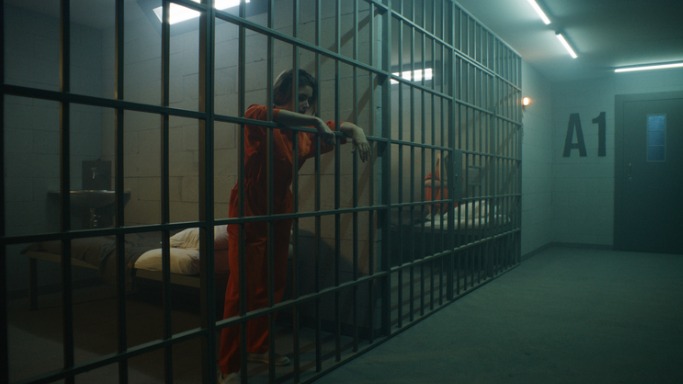
WASHINGTON, D.C. — Women behind bars have no choice in where they live: they depend on the state to ensure their privacy, safety, and dignity are not in question, even as they complete their sentences.
Yet for years, the federal government advanced an interpretation of disability law that has been used to elevate gender identity claims over the concerns of incarcerated women, permitting dangerous men into women’s prisons.
Today, Independent Women applauded the U.S. Department of Health and Human Services (HHS) Office for Civil Rights’ announced action to reverse a Biden-era interpretation that treated gender dysphoria as potentially qualifying for protections under Section 504 of the Rehabilitation Act.
The action addresses a legal controversy with significant implications for sex-seperated facilities, including women’s prisons, where disability discrimination claims have been raised by transgender-identifying male inmates to access women’s facilities.
For years, incarcerated women have raised concerns about their safety, privacy, and dignity when male inmates who identify as women are housed in women’s correctional facilities. Independent Women has helped bring those concerns to national attention through firsthand testimony, investigative reporting, and recommendations for federal reform.
For Independent Women, the announcement marks an important step toward a reform the organization called for nearly two years ago.
In January 2025, Independent Women released a comprehensive report examining the consequences of housing male prisoners in women’s facilities. Some of these individuals have been convicted of sexual assault and now seek to prey upon vulnerable women while behind bars. Independent Women has called for federal action to clarify that gender dysphoria should be excluded from federal disability law.
Now, the Trump administration is taking action consistent with that recommendation.
“Women in prison are among the most vulnerable women in America. They cannot choose their roommates. They cannot walk away from a dangerous situation. They cannot simply leave when they feel threatened,” said Amie Ichikawa, Independent Women Ambassador and founder of Woman II Woman, who was formerly incarcerated in a California women’s prison.
“These women have been forced to live with the consequences of policies they had no say in creating. I’ve heard from women who are afraid to speak up, afraid of retaliation, and afraid that their safety matters less than someone else’s demands. Being incarcerated does not mean surrendering your right to privacy, dignity, or protection from harm. This is an important step toward making sure these women are no longer forgotten.”
May Mailman, Director of Independent Women’s Law Center, said “Committed Leftists have for years twisted the Rehabilitation Act to force men into women’s spaces. Today’s action by HHS not only restores the text of the law, which explicitly states that gender identity disorders are not ‘disabilities’ requiring accommodation, but protects vulnerable women. As Justice Alito noted years ago, this outgoing misinterpretation subjected women’s spaces to an ‘unending stream of lawsuits.’ Today is a great day for common sense.”
Congress expressly excluded certain gender identity disorders not resulting from physical impairments from the definition of disability under federal law. However, adopting the position of highly progressive judicial opinions, the Biden administration’s 2024 Section 504 rule took the position in its preamble that gender dysphoria could qualify for disability protections.
The Trump administration’s action seeks to clarify that statutory exclusion and prevent the HHS disability regulation from being used to establish protections based solely on gender dysphoria not resulting from a physical impairment.
Independent Women’s January 2025 report, “Cruel and Unusual Punishment: Stopping the Dangerous Policies Putting Men in Women’s Prisons,” outlined reforms to prioritize the safety and dignity of incarcerated women, including clarifying federal disability regulations, strengthening reporting protections for female inmates, and revisiting policies that permit male prisoners to be housed in women’s facilities.
Independent Women will continue advocating for policies that protect incarcerated women from violence, safeguard their privacy, and ensure that their reports of abuse are taken seriously.
Learn more about Independent Women’s work in prisons here:
- Cruel and Unusual Punishment: Stopping the Dangerous Policies Putting Men in Women’s Prisons.
- Independent Women’s Features: Cruel and Unusual Punishment Series
- Exposing ‘Trans Supremacy’ Inside Women’s Prisons
###
Independent Women’s trusted experts, analysis, and data enable us to drive informed conversations to build support for better policy solutions.

Independent Women®’s unique methods and trusted brand shape public preferences, policies, and movements to create a better future for everyone.