

What’s At Stake
What is the case about?
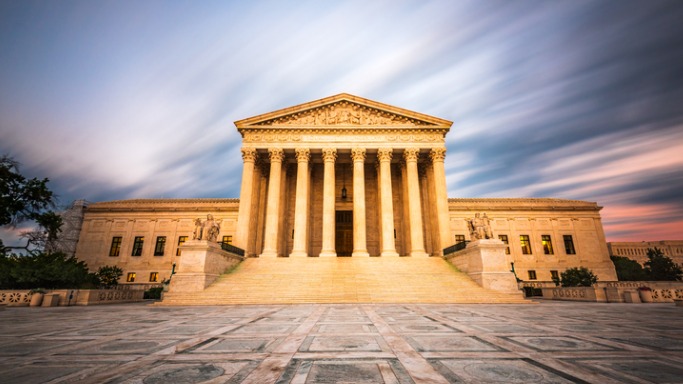
On October 5, the Supreme Court opened its new Term with Suncor Energy (U.S.A.) Inc. v. County Commissioners of Boulder County, a case involving whether state and local governments can hold energy companies liable under state law for the alleged effects of global climate change.
Boulder County and the City of Boulder, Colorado, sued ExxonMobil and Suncor Energy, alleging that their production and sale of fossil fuels contributed to climate change, resulting in wildfires, flooding, and other environmental damage. The companies argue that federal law preempts these claims because greenhouse gas emissions cross state and international borders and are matters of national concern. The Colorado Supreme Court allowed the lawsuit to proceed, rejecting the companies’ federal preemption argument. The U.S. Supreme Court agreed to review whether federal law prevents states from imposing liability for injuries allegedly caused by interstate and global greenhouse gas emissions.
Who is affected and how?
The outcome could affect energy producers, businesses, and consumers nationwide. Dozens of similar lawsuits have been filed against fossil fuel companies by state and local governments seeking billions of dollars in damages related to climate change. Allowing these lawsuits to proceed could expose energy companies to substantial financial liability, thereby increasing energy costs for American families and businesses.
Why does it matter?
The case raises important constitutional questions about federalism and the limits of state authority. While states generally have the power to address local harms, the federal government has primary responsibility for regulating interstate air pollution under the Clean Air Act. The energy companies argue that allowing individual states to impose liability for emissions occurring across the country and around the world would create a patchwork of conflicting state laws and interfere with federal authority.
Our Take
Climate change is a global issue, but that does not give individual states unlimited authority to impose liability for conduct occurring across the country and around the world. Our constitutional system divides authority between the states and the federal government for a reason. Allowing state courts to impose potentially conflicting liability standards for global greenhouse gas emissions raises serious questions about federalism and the proper role of the judiciary.
States have legitimate authority to address local environmental harms, but they should not be permitted to use their courts to circumvent the federal framework governing interstate emissions. Decisions affecting America’s energy future should be made through the constitutional processes established for national policymaking, not through lawsuits.
The Supreme Court now has an opportunity to clarify the boundaries of state authority and reaffirm that matters of national and international concern cannot be governed by the laws of any single state.
