

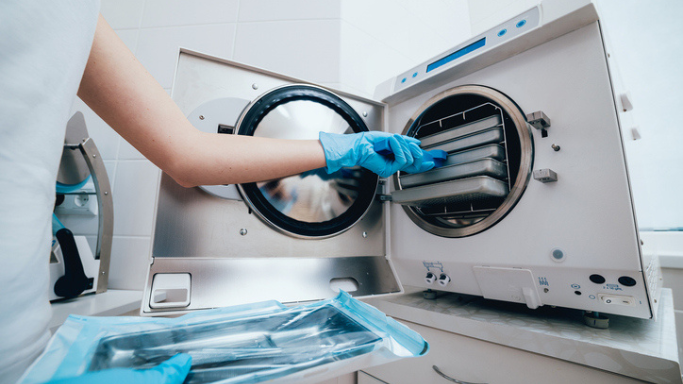
Medical supplies—like syringes, surgical gloves, catheters, and implants—must be sterile before they’re used to help patients. Early this year, the owner of New Jersey’s largest nuclear generating site agreed to produce a vital material for that endeavor: cobalt-60. It’s used to sterilize about 40% of all single-use medical devices, more than 16 billion per year in the U.S. Notably, it can also be used to treat cancer.
The U.S. also relies entirely upon foreign sources for cobalt-60. That could change soon, as the Salem Nuclear Power Plant is expected to begin the process this fall.
Depending on foreign sources for materials vital to U.S. interests is a familiar story. Most of the world’s cobalt-60 is made in about 20 reactors in Canada, Argentina, China, India, and South Korea. Russia provides about 25% of the global supply of cobalt-60.
The fuel that powers reactors is also vulnerable to disruption. In 2025, U.S.-origin uranium made up just 7% of deliveries to American nuclear reactors; Russia handled more than a quarter of the enrichment, which turns mined uranium into usable reactor fuel. Reliance on mineral imports means wars and trade disputes can interrupt supply chains and increase expenses for everyone.
And import reliance extends well beyond power generation: In 2025, the U.S. was 100% net import-reliant for 16 nonfuel minerals, and more than 50% reliant for 54 minerals. China was the major source for 14 of the 33 critical minerals the country depends on most last year.
Our domestic industry is starting to respond to uranium’s supply-chain vulnerabilities. For instance, U.S. uranium production more than tripled in 2025—the highest level since 2017. Cobalt-60 may be next, as Westinghouse Electric Company, Nordion, and PSEG Nuclear pursue production at the Salem nuclear plant in New Jersey. The Nuclear Regulatory Commission (NRC) needs to approve the licensing request to install the equipment. First commercial harvests are expected around 2029 and could supply at least half of U.S. demand for cobalt-60.
The new technology could work at other reactors like Salem’s, which make up more than 70% of the world’s commercial fleet. Making cobalt-60 in American reactors that are already running would route less supply through foreign countries, helping hospitals to keep their shelves stocked.