

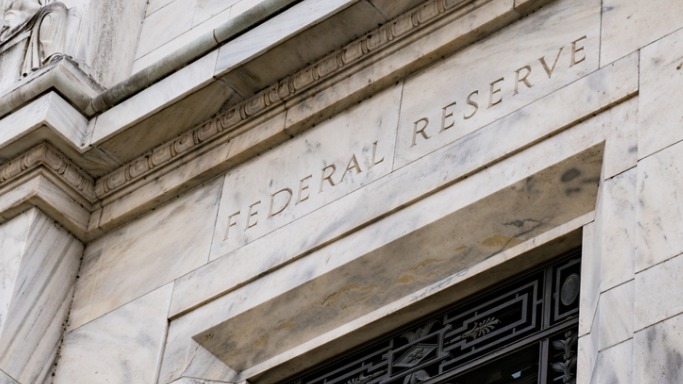
On Wednesday, the Federal Reserve raised interest rates for the first time since 2023, up a quarter of a percent to 4% from 3.75%. A rate raise will ultimately harm consumers and is out of line with core economic trends.
A week of revived optimism in the economy followed the release of August’s employment report. But higher August inflation, primarily driven by energy prices, led the Federal Reserve to vote unanimously to raise interest rates.
The Fed’s statement still expresses confidence in the economy despite the rate change, noting the strength of economic activity, including domestic spending, productivity growth, capital investment, and job gains. Consumer spending rose 1.2% in August, productivity increased by 1.2% in the second quarter of 2026, and the economy added 162,000 jobs. These numbers all show that the economy is growing. Core inflation, which remained steady at 2.4% in August, also demonstrates that the underlying economy is strong. The overall strength of the economy should be a sign to the Fed to hold rates steady.
The Fed raising interest rates will harm consumers looking for auto loans, mortgages, or credit cards. Higher rates will slow down business as credit cards and any kind of consumer debt become a greater burden on consumers. With the August rise in consumer spending, it is evident that consumers want to participate in an economy they feel confident about. Yet higher rates will place financial pressure on those using credit cards or other common consumer loans to spend.
Housing will particularly feel the effect of higher borrowing costs. Those who already own homes will not want to pay higher mortgage rates, and so will stay in homes they may prefer to move out of. Meanwhile, buyers will find houses even more expensive as they are charged higher mortgage costs and supply shrinks. The housing market will become more stagnant, and it will be a greater challenge for buyers trying to find an affordable home.
On Wednesday, after the announcement of the rate increase, the stock market closed down, with the S&P 500 ending the day 0.4% lower, and the Dow falling 630 points. Investors believe the rate increase will slow the economy.
If the Fed is tempted to agree to another rate increase, it should consider the consumers it wishes to help and understand that the current increase has only made participating in the economy harder. Projections by the committee showed that 16 out of the 18 members predicted the Fed would issue at least one more interest rate hike. Historically, the Fed has followed up an initial increase with more rate increases, a trend the current Federal Reserve should not follow.
The Federal Reserve’s interest rate hike does not align with wider economic trends that demonstrate the stability of the economy. Harming consumers, this rate rise is a misstep for those who wish to strengthen the American economy.