


WASHINGTON, D.C. – For millions of elderly Americans who simply need companionship or a little extra help, navigating a one-size-fits-all government bureaucracy can be a major barrier to maintaining independence, remaining at home, and living with dignity. Today, Independent Women’s Features (IW Features), the grassroots storytelling and original journalism arm of Independent Women, released the first documentary in its “Aging at Home. Living with Dignity.” series, part of a broader effort to support home care freedom.
Ken Friend is a former self-made businessman who employed hundreds, spent his life working, giving back, and preparing for the future before a tragic accident forced him to seek government assistance—a journey that proved that one-size-fits-all government solutions rarely work.
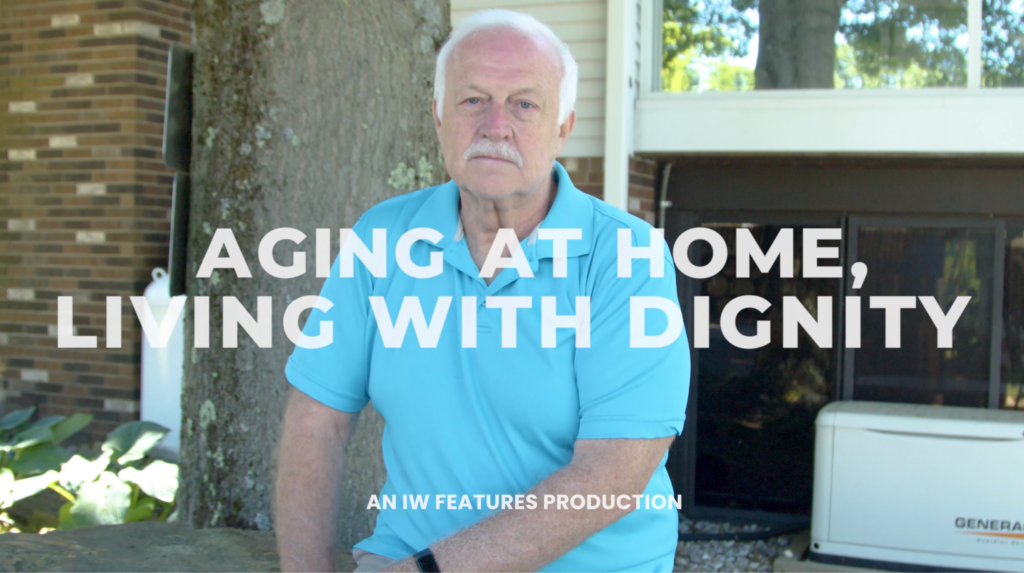
After an accident left him unable to drive and increasingly isolated in his rural Pennsylvania home, Friend navigates the complexities of aging at home on a limited income, as existing care options have largely failed to meet his needs. Living on $1,400 a month, he relies on his service dog for companionship, and rather than a handout, what he really needs is enough community support to remain independent.
“What I actually probably need more than anything—this might sound kind of crazy—but somebody just to stop in and see how you’re doing,” Friend told IW Features.
“By 2030, one in five Americans will be a senior citizen, and the necessity for elder care will only continue to grow,” said IW Features Senior Contributor and Policy Analyst Neeraja Deshpande. “Ken is one of the many seniors across the country whose caregiving needs vary enormously. When we consider the future of elder care in America, we need to get serious about finding solutions that aren’t just creating another entitlement for aging Americans.”
“As they age, millions of older Americans simply want to remain in the homes and communities they love, surrounded by familiar faces and with the freedom to make decisions about their own care,” said AMAC CEO Rebecca Weber. “Ken Friend’s story is a powerful reminder that seniors need more choices, stronger communities, and flexible, affordable solutions that preserve their independence and dignity. AMAC is proud to partner with Independent Women to help make aging at home a realistic option for more American families and share stories like Ken’s.”
Watch and read Ken Friend’s story: America’s Elder Care Crisis Needs Community, Not Bureaucracy
Aging at Home. Living with Dignity.
Across America, families are struggling to support aging parents and grandparents who want to remain in their homes—the place where they feel safe, connected, and dignified. But skyrocketing caregiving costs and restrictive regulations have made in-home support nearly impossible for many families.
Earlier this year, Independent Women and the Association of Mature American Citizens (AMAC) announced the launch of a collaborative project, “Aging at Home. Living with Dignity.” The multi-layer strategic partnership is designed to elevate real-life senior caregiving experiences—like Ken Friend—and build demand for home-care freedom for seniors and advance policy reforms that expand freedom and choice to make aging in place within reach for every family.

Through first-person stories from seniors, families, and caregivers nationwide, Independent Women and AMAC are illustrating how innovative, market-based solutions to support seniors can restore access to affordable, trusted in-home care.
Last month, Independent Women’s Voice unveiled “The American Caregivers Act,” a federal and state legislative model that builds upon the success of the decades-old au pair program, adapting the same proven framework into a domestic caregiving model that expands access to senior care. Not only is this a policy solution that addresses the growing caregiving crisis by expanding the range of options available to families—particularly those in the ‘missed middle’ who don’t need intensive medical care but struggle to find affordable in-home support under the current regulatory framework—but it also presents an economic opportunity for students looking for affordable housing and meaningful, flexible jobs that fit their lives.
More from Independent Women on Aging at Home:
- The Hill: A new answer to America’s growing elder-care challenges
- We Need a Real Path Forward for America’s Aging Population
- Aging at Home Shouldn’t Be This Hard
- Aging with dignity should not be a luxury
- Independent Women Drives More Than 1,500 Comments Supporting Department of Labor’s Proposed Rule to Expand Aging-in-Place Options for Seniors
Direct media inquiries and booking requests to [email protected]
###
Independent Women’s trusted experts, analysis, and data enable us to drive informed conversations to build support for better policy solutions.
Independent Women’s Features identifies real people, tells their stories, and builds support around them to bring issues to life and foster more civil, compassionate, and productive debates.

Independent Women®’s unique methods and trusted brand shape public preferences, policies, and movements to create a better future for everyone.